Cover Materials and Suppliers
Cover Skin, Bookcloth, and Bookbinding Leather
Cover Skin
Cover skin is the material that creates an aesthetically clean outer surface, the hinge, and ties the cover boards to the spine. It can be used as a singular surface, or can be combined in two or more colors/textures to create a unique look. For example, to give the spine a look of sophistication, as in the case of "The Pop-Up Book of Phobias".
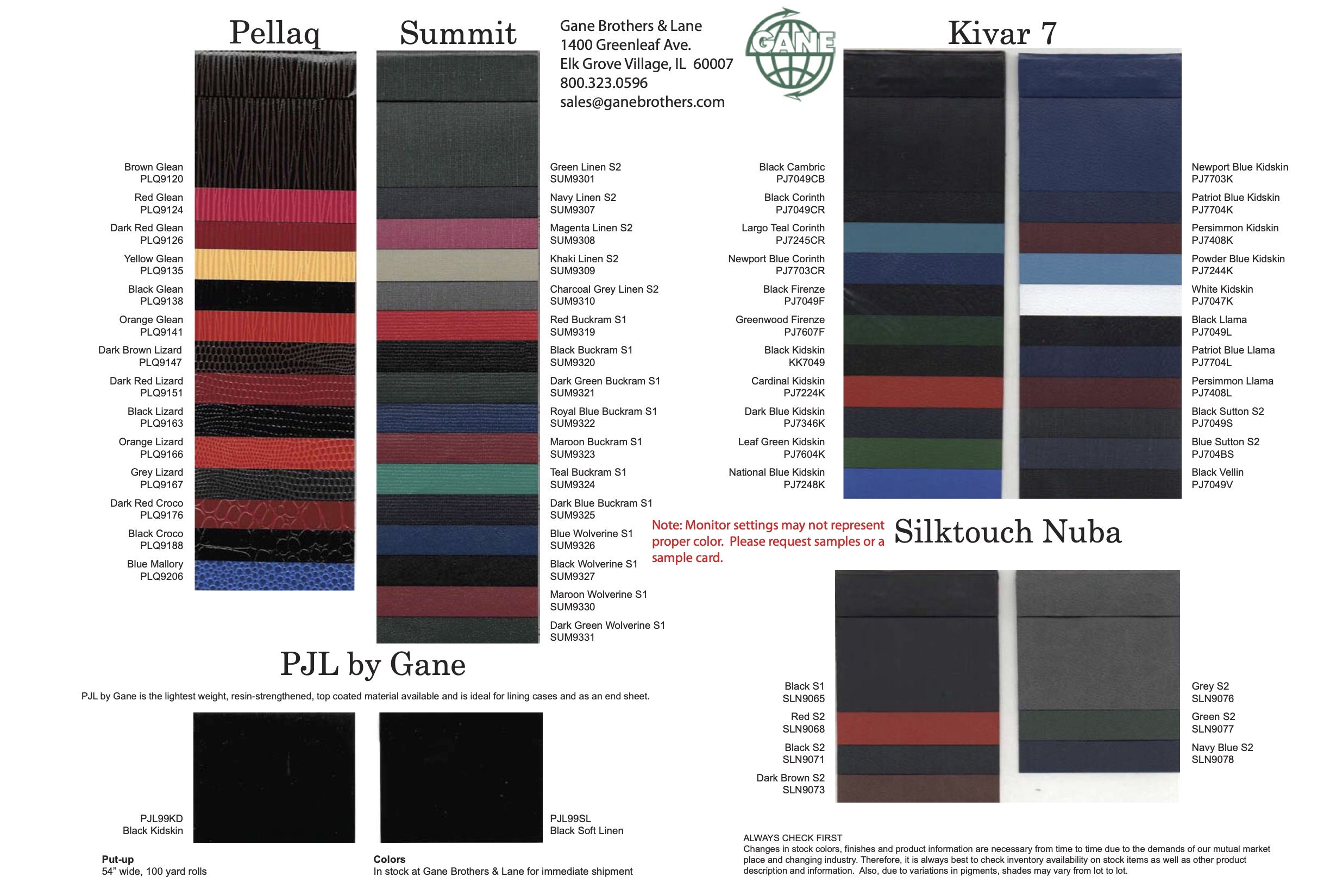
LBS Packaging and Bookbinding mateirals.
Cover skin can be found in single sheets of any color and texture from Neenah Papers:
Bookcloth
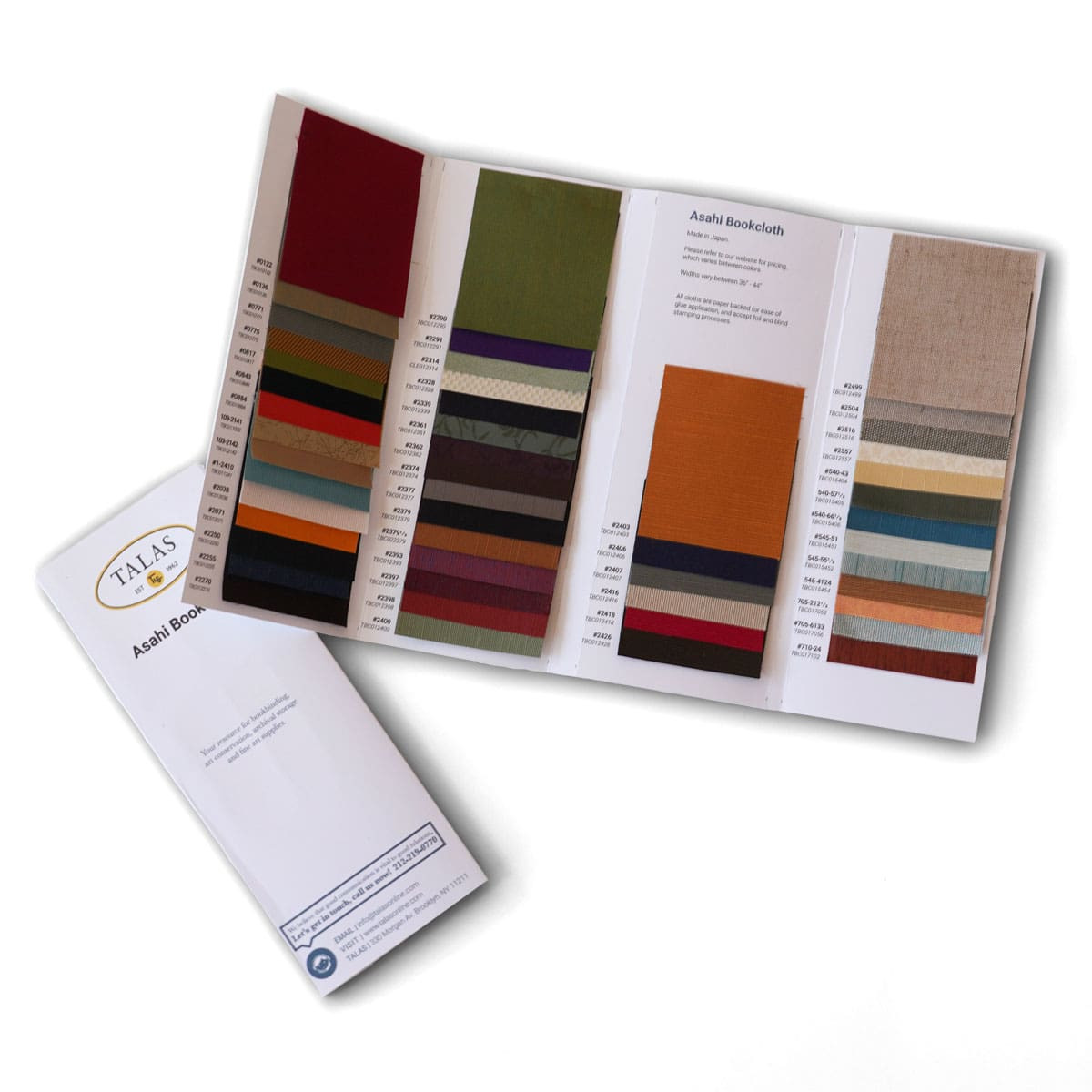
Bookcloth is another option, though it is more expensive, and sold by the yard. This material yields a top-of the line appearance. Bookcloth is often coated with acrylic for durability. Samples can be ordered for a fee from this Talas Bookcloth website. To find the samples on their site, the best way is to first click on the link below, then when you see a style of bookcloth you like, scroll lower to the section, "You may also like", and click on the Sample Book. Or alternatively, type the name of the cloth, plus "sample book" in the search bar, and it will be found.
Book Leather
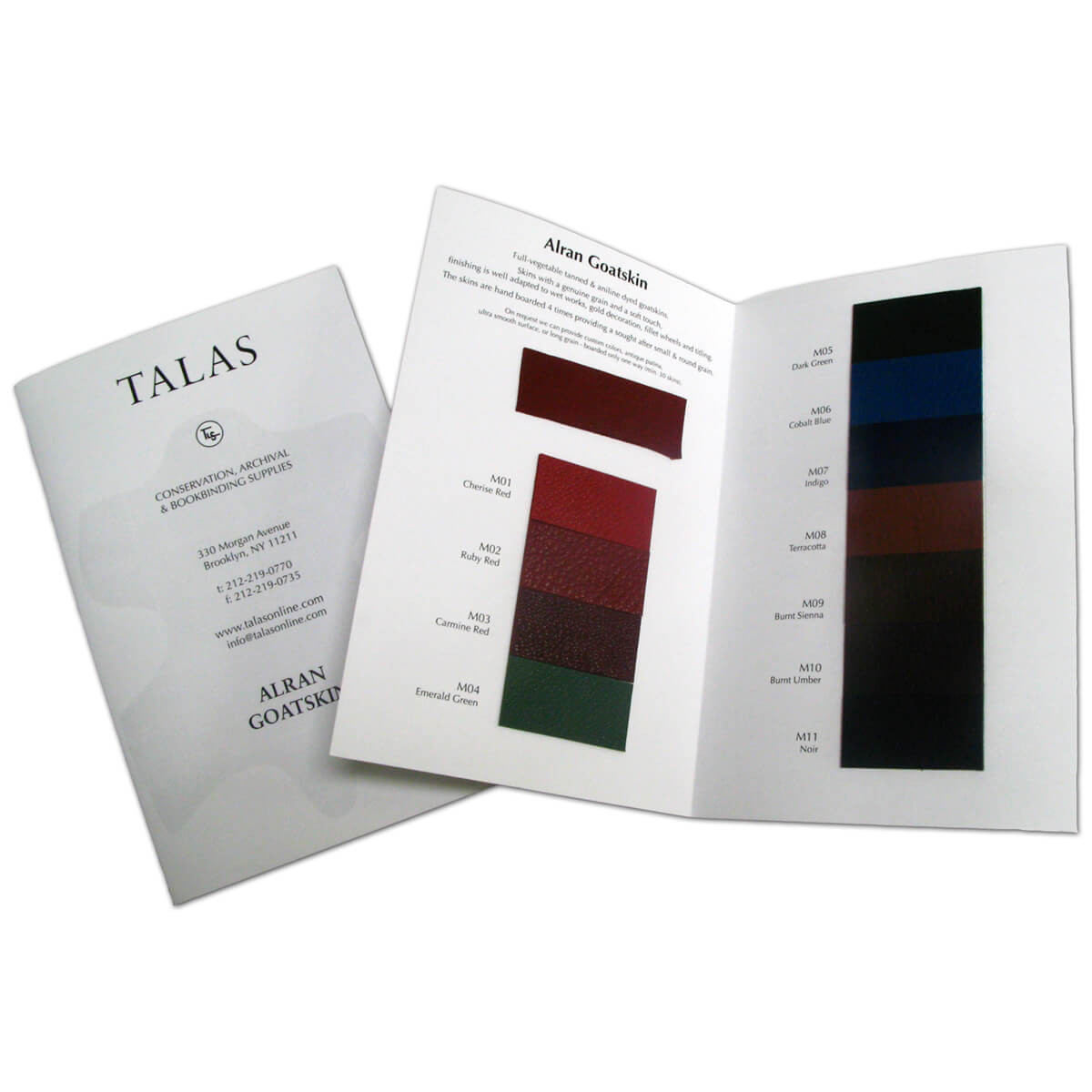
Book Leather is premium material usually reserved for the most formal bindings. Only special leather treatments provide the longevity and flexibility needed for a cover. In many cases, leather is reserved only for the spine due to its cost. Many pop-up books mimic the look of a fabric cover with a leather spine wrap; this is not to make it appear real, but to give a fun sense of sophistication to the book. Click on this Talas Book Leather link so learn more.
Here are links to bookcloth and book leather:
https://www.talasonline.com/bookbinding-supplies/bookcloth Links to an external site. https://www.talasonline.com/fabrics-and-leather/leather?page=1 Links to an external site.
Cover Boards and Spine
Matboard, kraft cardboard and more
Any gluable, rigid, flat and relatively thick material can be used to make the cover boards and spine. It is best to use PH neutral or acid-free materials if possible. Typically cover boards and spines are made from mat board, poster board, Kraft cardboard, or bookboard. Mat board and poster board are typically 1/16" (approximately 1.5mm) thick, and can be purchased from many local suppliers, including Riley Street Art Supply, The Village Artist, Art and Soul, and Michael's. These suppliers may also carry Kraft cardboard, which must be solid, not corrugated. The Junior College Bookstore may also carry some supplies.
Bookboard
Bookboard is a specialized material produced for the purpose. Here is a retailer: https://www.talasonline.com/bookbinding-supplies/bookbinding
Whatever choice you make, consider smoothness and stiffness as factors. Bookboard is particularly able to maintain flatness after applying glue. It can be found in a variety of thicknesses from 1/16" to 1/8" (and 1.1mm to 3mm).
Glues for Binding
Many types of glues and adhesives can be used to bind your book pages together. Selection may be as much about convenience as it is ease of use or durability. The first four materials listed below are demonstrated in the Pop-Up Book Binding Video. Many of the glues are PVA-based. This means that the basic ingredient is Polyvinyl Acetate.
- YES! Paste, all-natural dextrin-based (starch) adhesive
- Lineco Neutral-PH PVA Adhesive (this is an archival and reversible glue for fine artwork and books)
- Elmer's Glue-All (This website suggests that Glue-All contains materials that may break down over time)
- Adhesive Transfer Tape (thin despensible adhesive tape with no core, unlike double-sided tape)
- Jade Acid-Free PVA Glue specific for book binding (This comes in four versions, the basic is "403". "711" has less odor. "Thick" is for bulkier needs. And "R" is water-reversible.