Student Examples, Positive-Negative Project
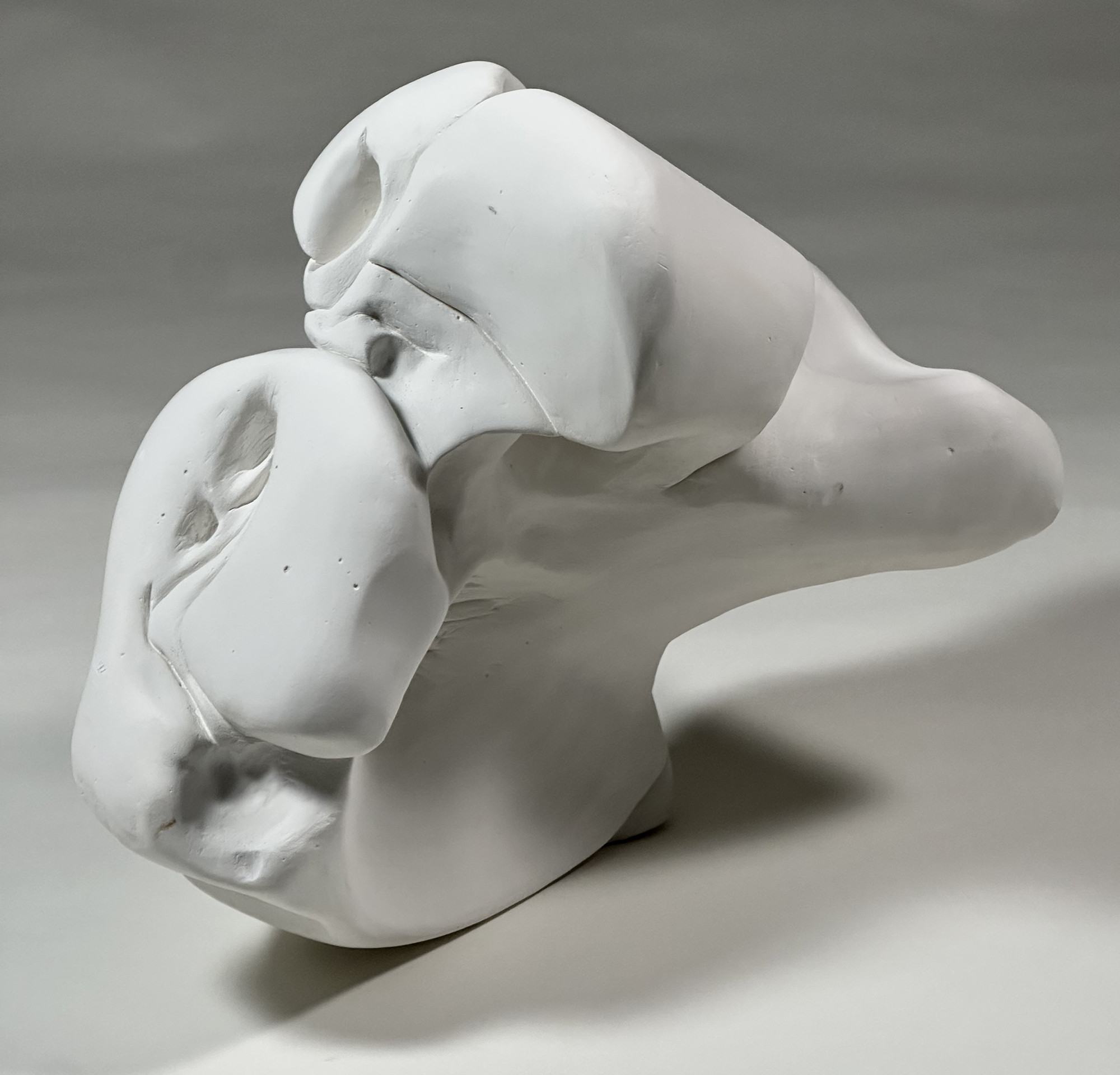
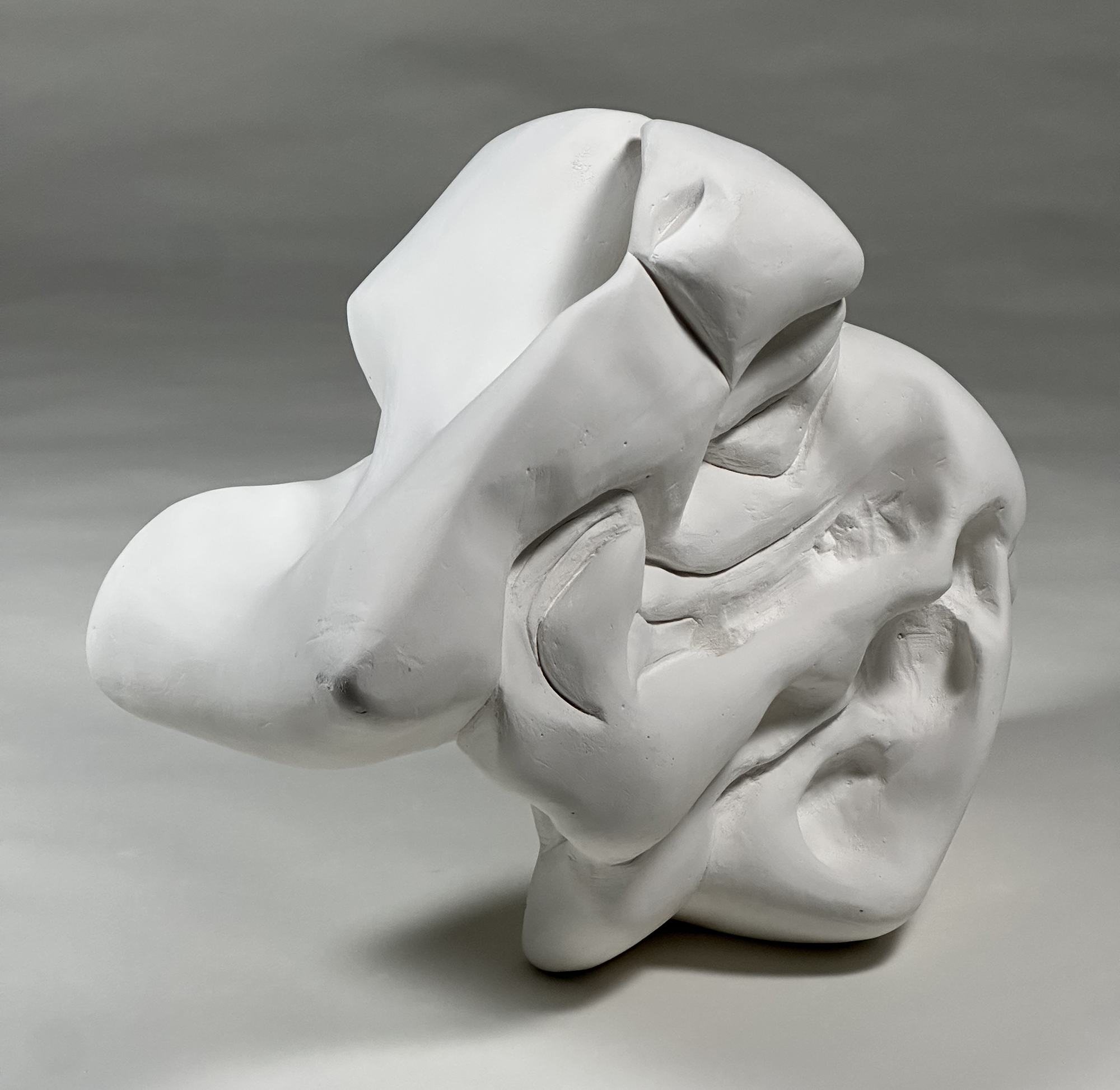
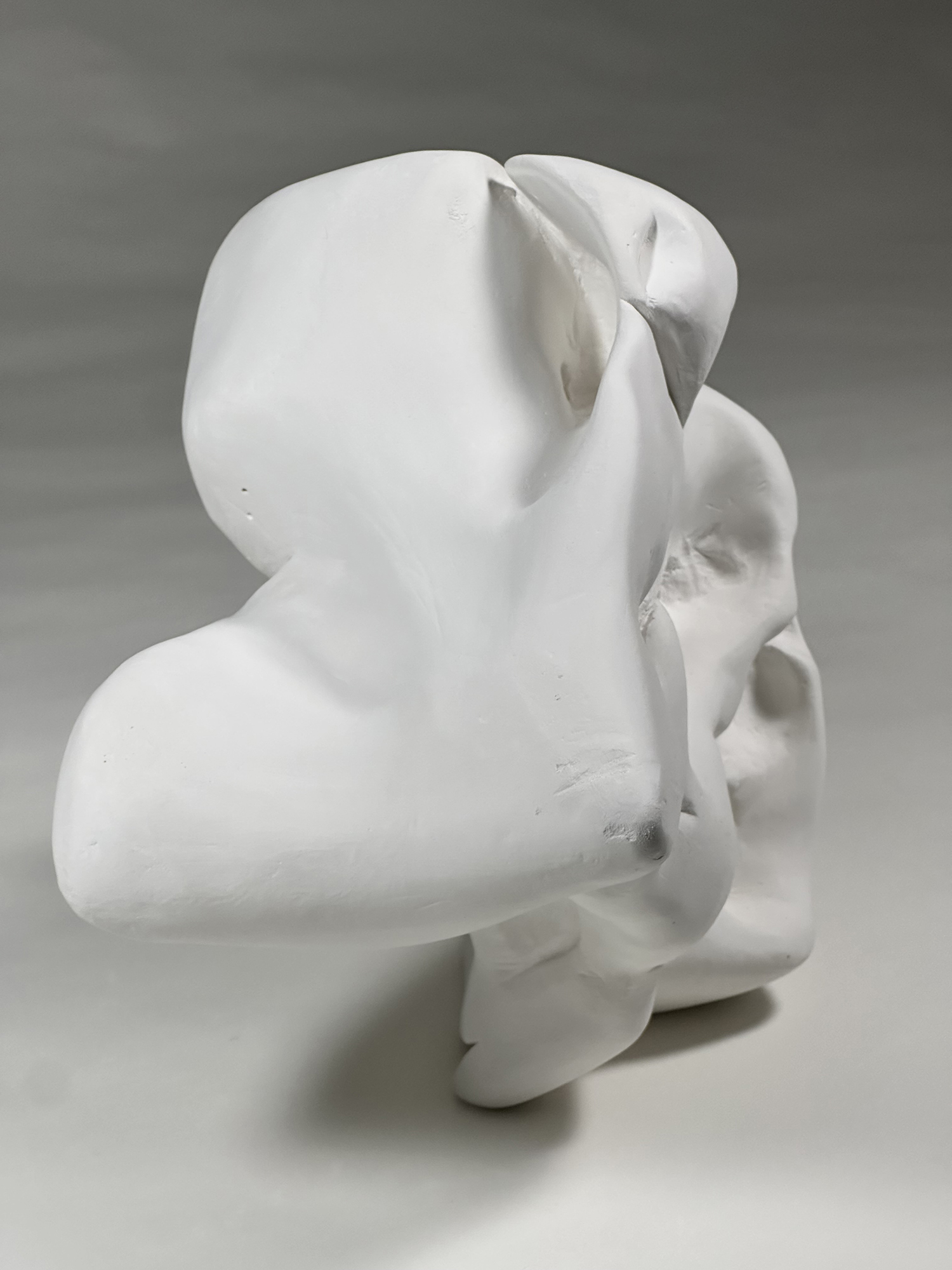
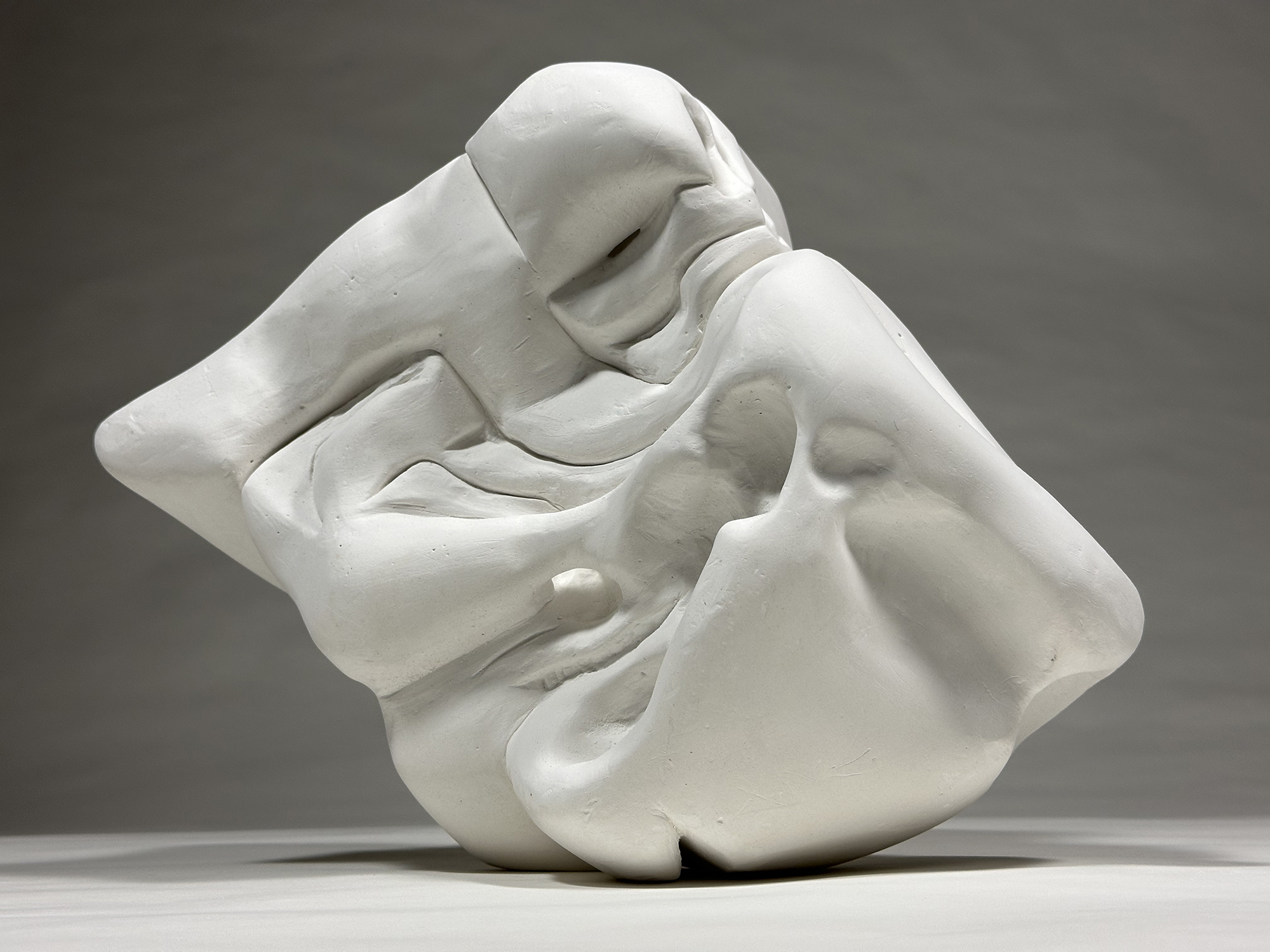
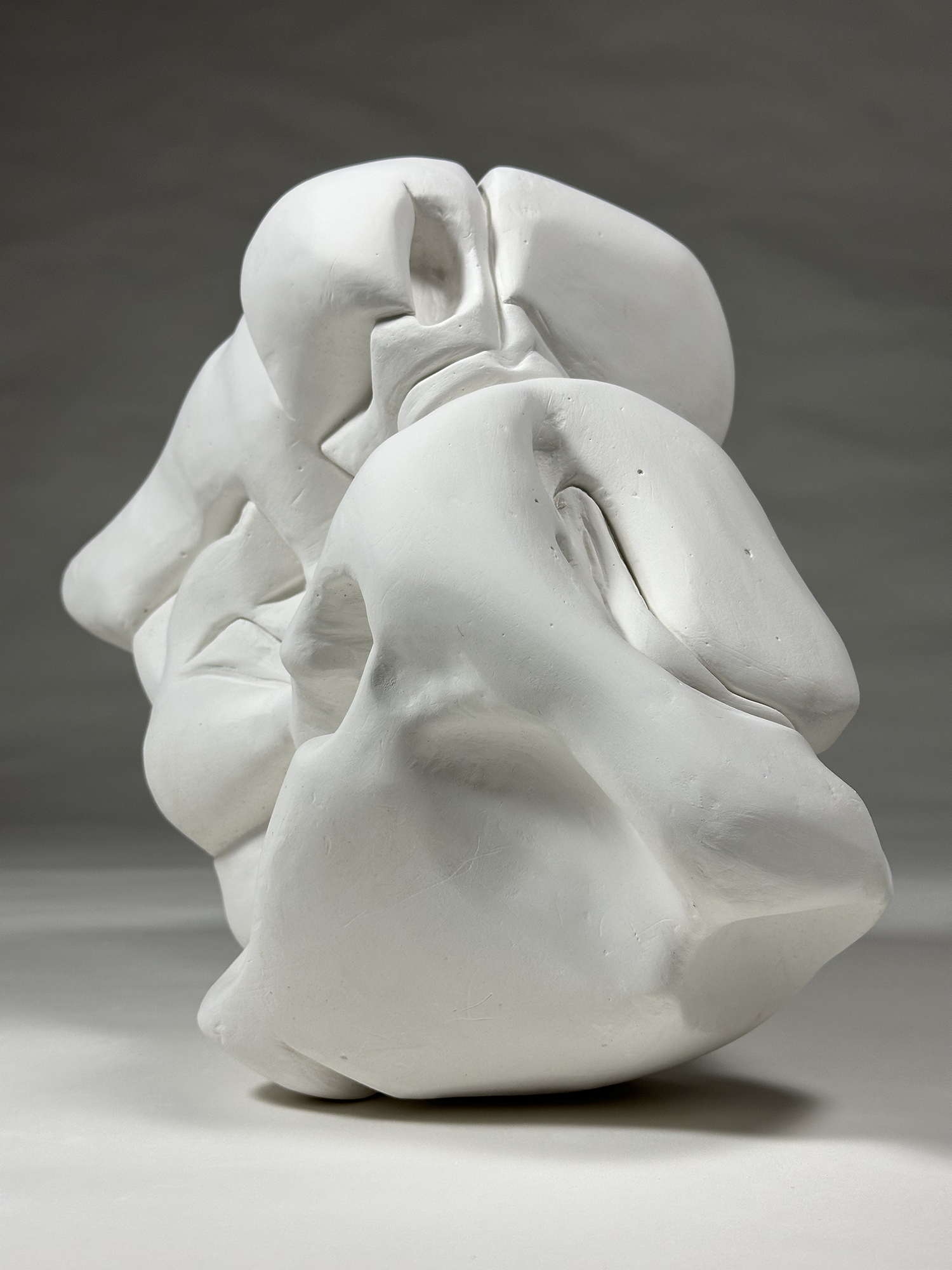
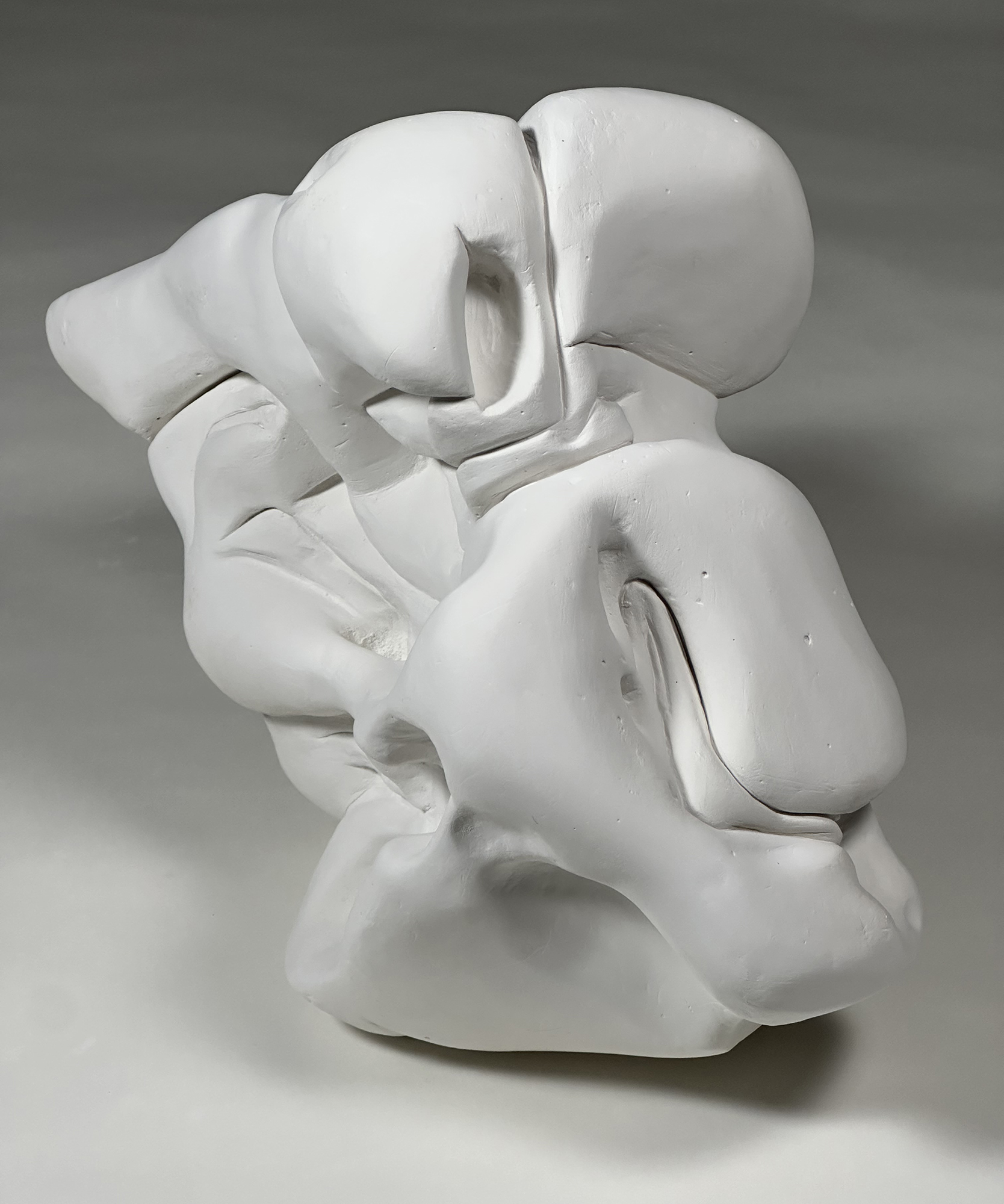
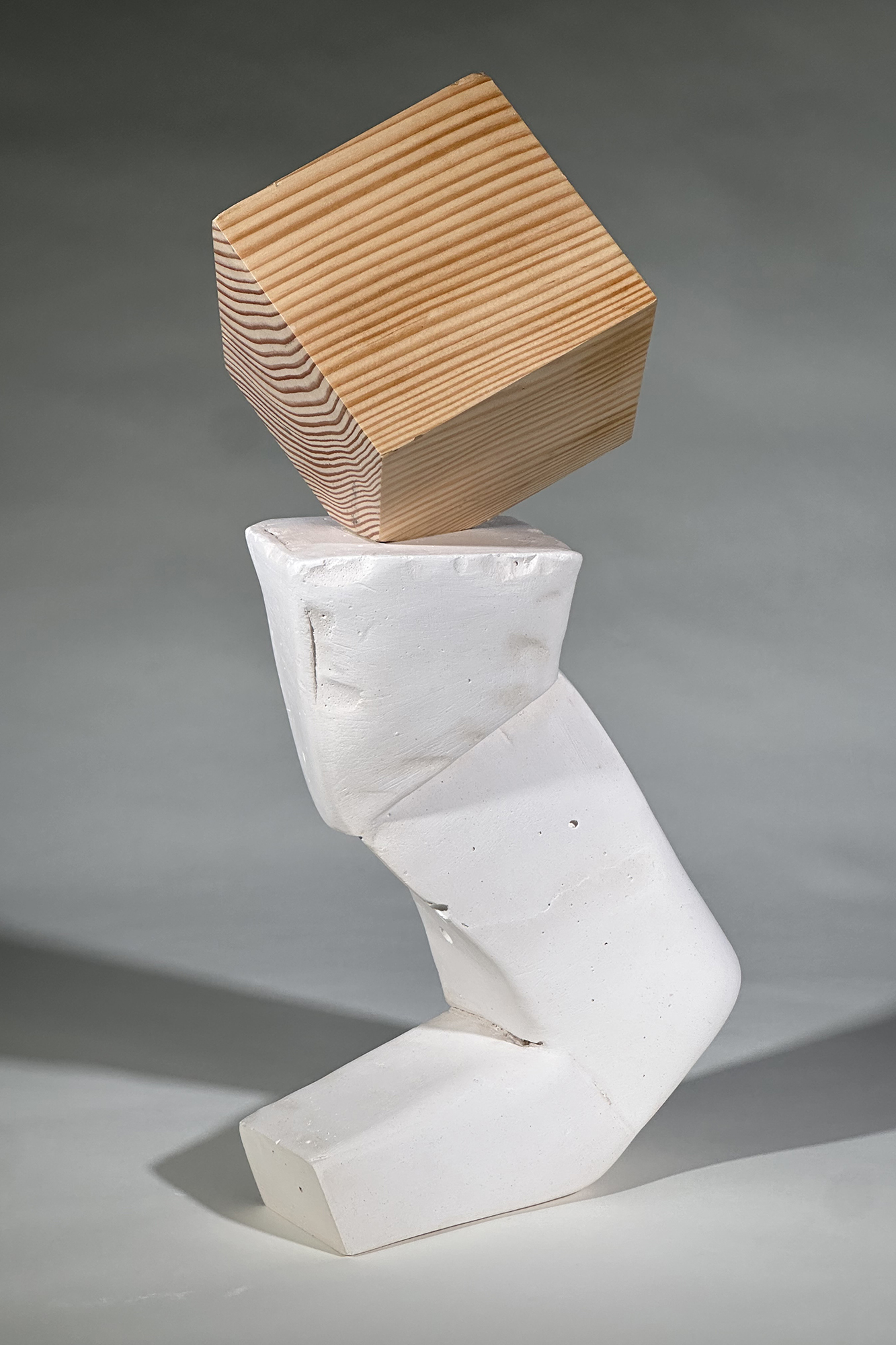
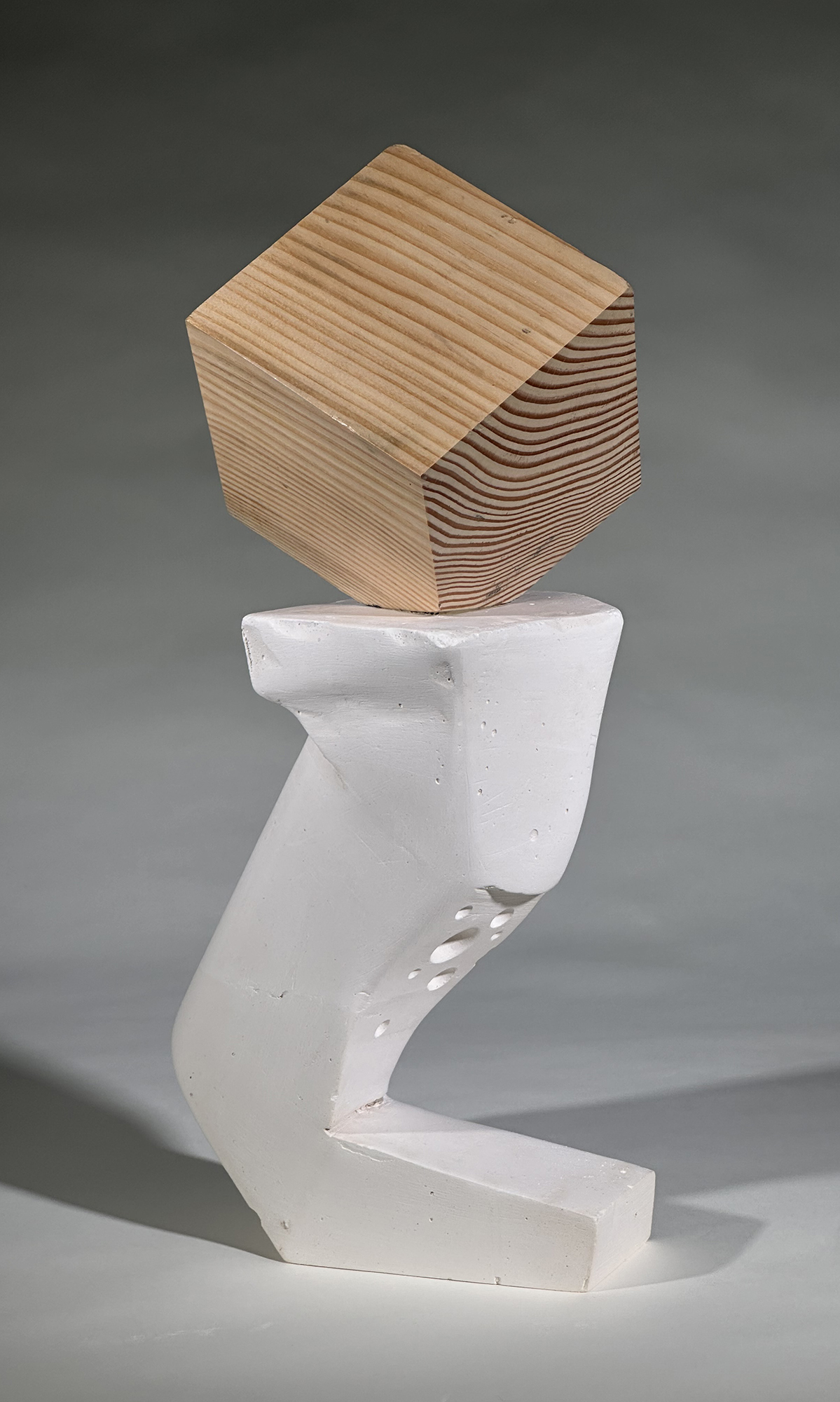
The examples below show the results of the final Positive-Negative works by students who also created their precursor two-piece sculptures. Shown are multiple views of each artpiece so you can get a better understanding of its forms from many angles. Some of the pieces take on a more understandable 3-dimensionality when seen from other views, while others look like completely different sculptures from other views. For example, it is easier to grasp the holeness of Dennise Sosa's and Samantha Hammond's pieces by seeing multiple views, but with Tony Avitia's, certain views look like different sculptures altogether.
A sculptor has to be aware, and in control, of their compositions from all points of view when working "in-the-round". This term means that the work is fully sculpted on every visible side, and usually means that the work is not foreshortened or distorted in perspective, as these sculpture's proportions change constantly with the movement of the observer towards and around it. The opposite concept is explored in relief sculpture, where the artwork behaves more like a drawing or painting in its composition.
The artist must decide what elements of a composition are of most importance, and what may play a supportive role in moving the eye and mind through the piece. Every part is of value in making a piece strong.
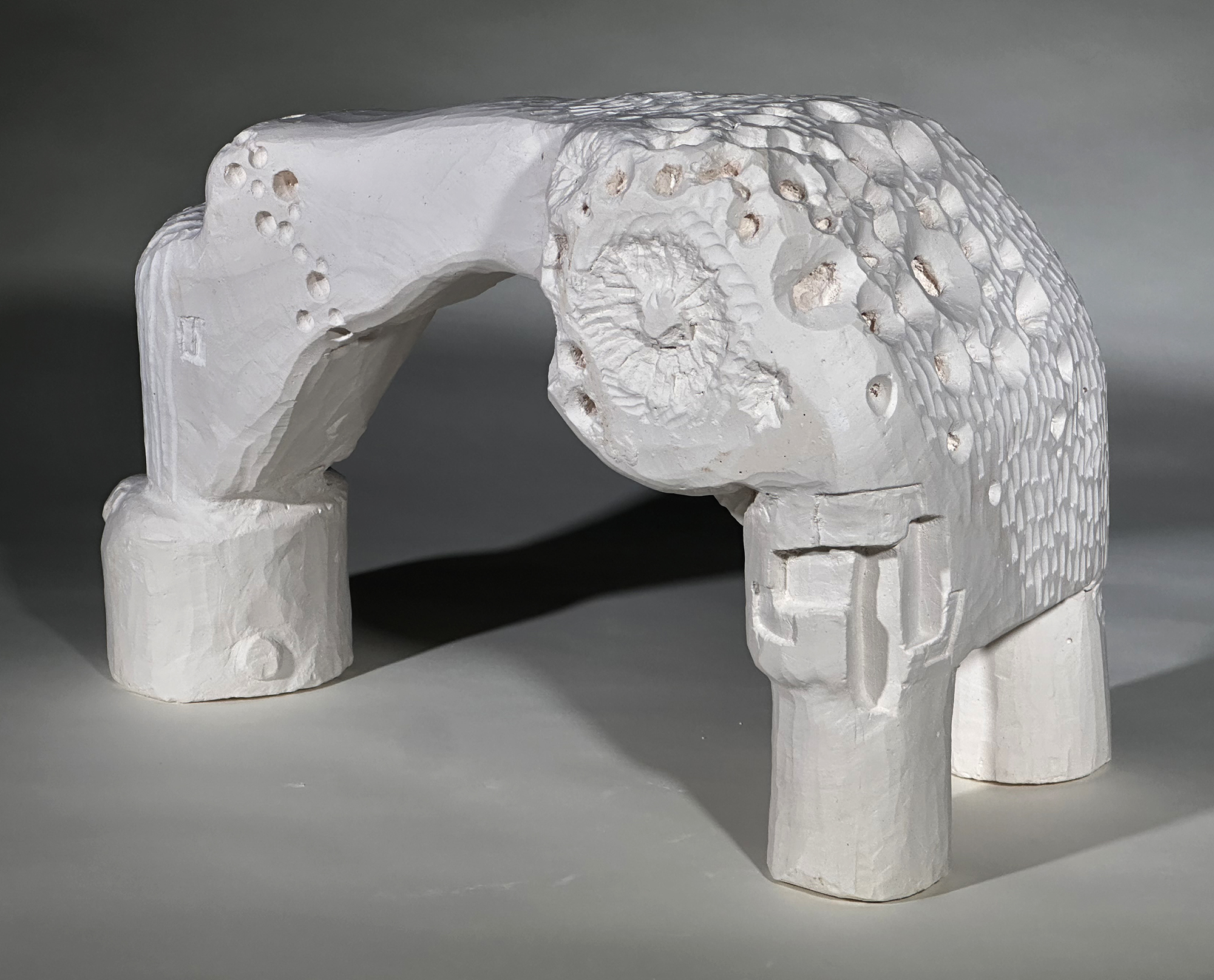
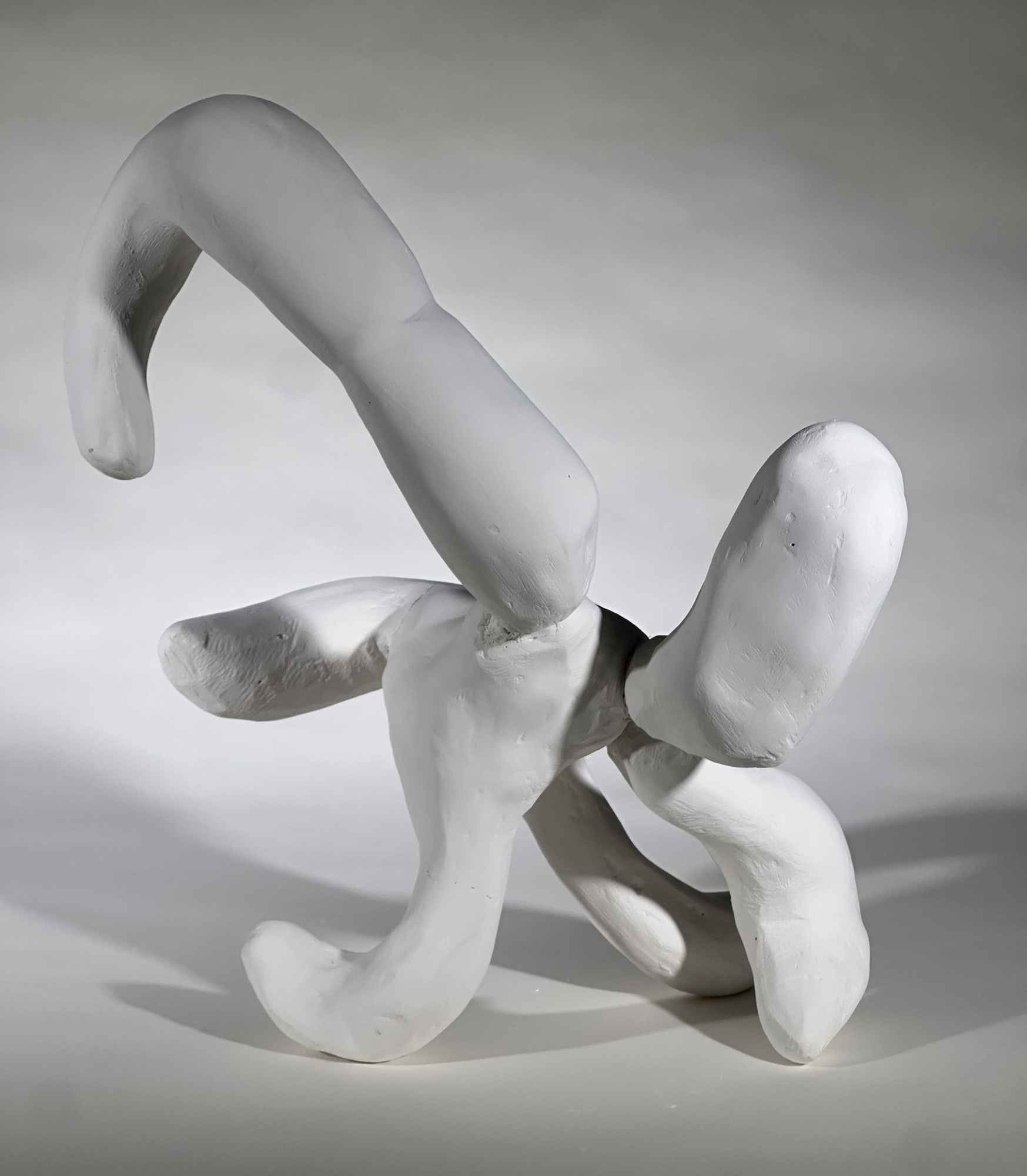
Rae Conners made a smooth abstracted figure seemingly made from many pieces barely assembled together, and delicately balanced on three points. Samantha Hammond combined a wooden block with her plaster for contrast in materiality, color, and shape.
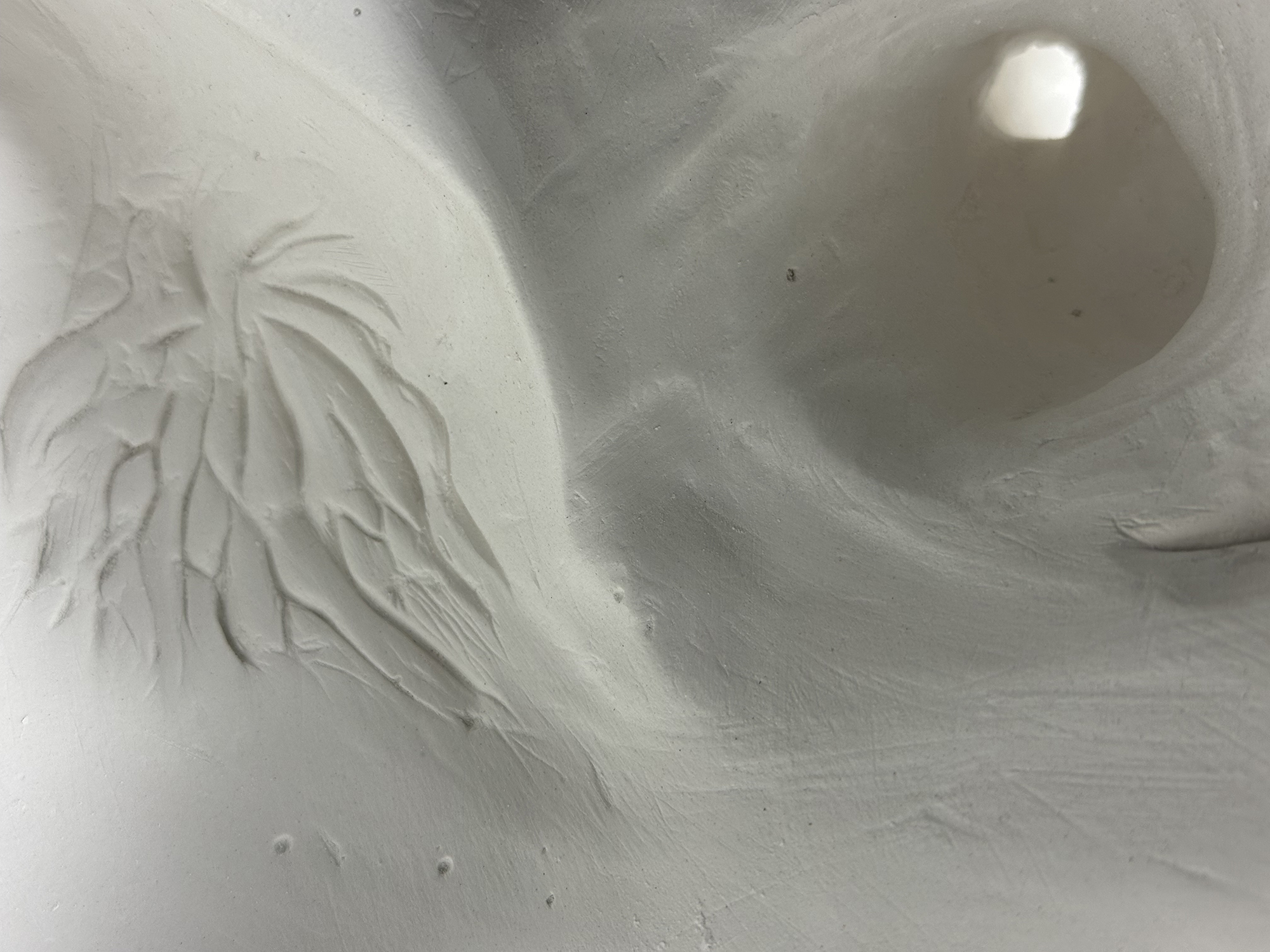
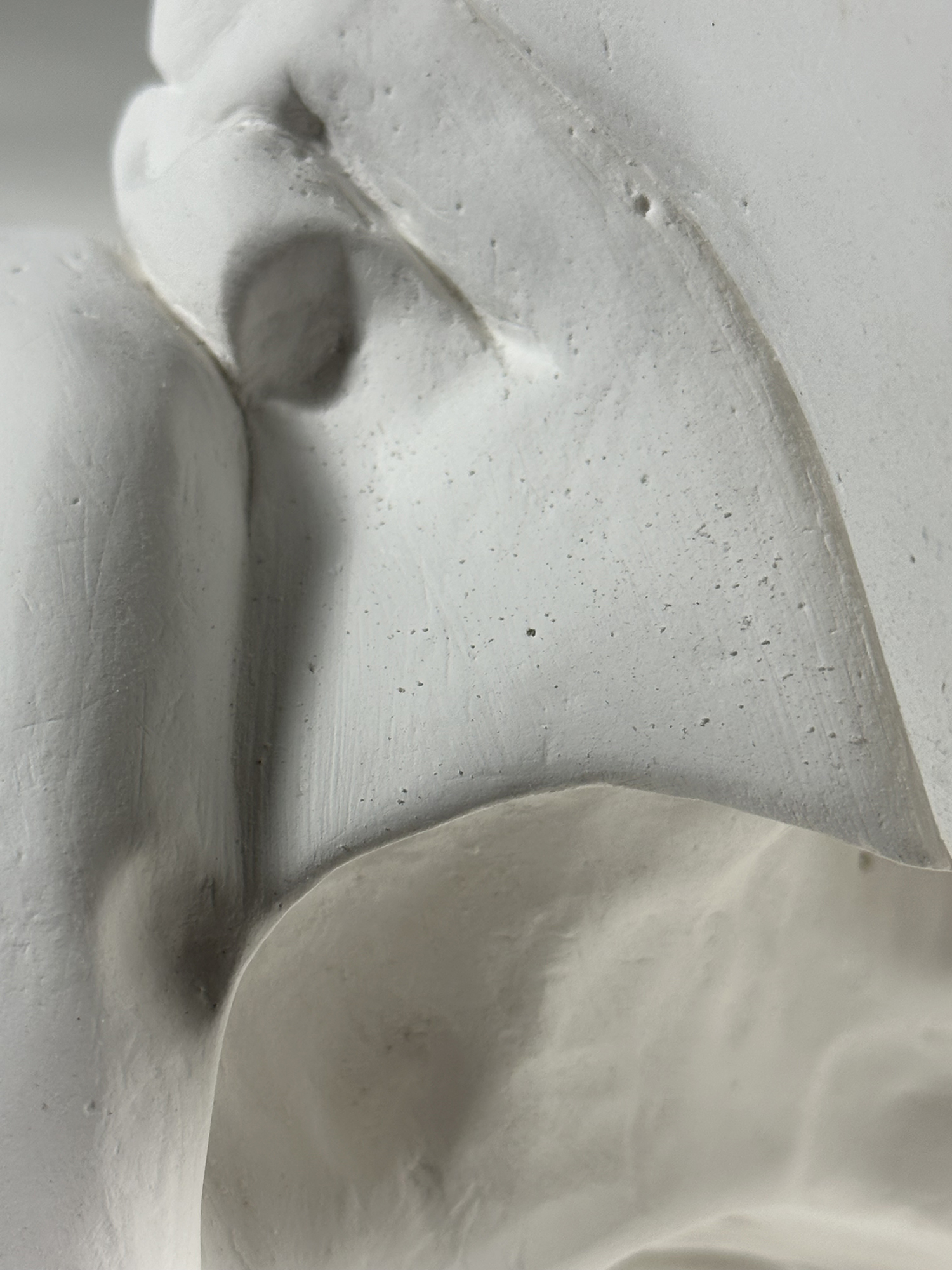
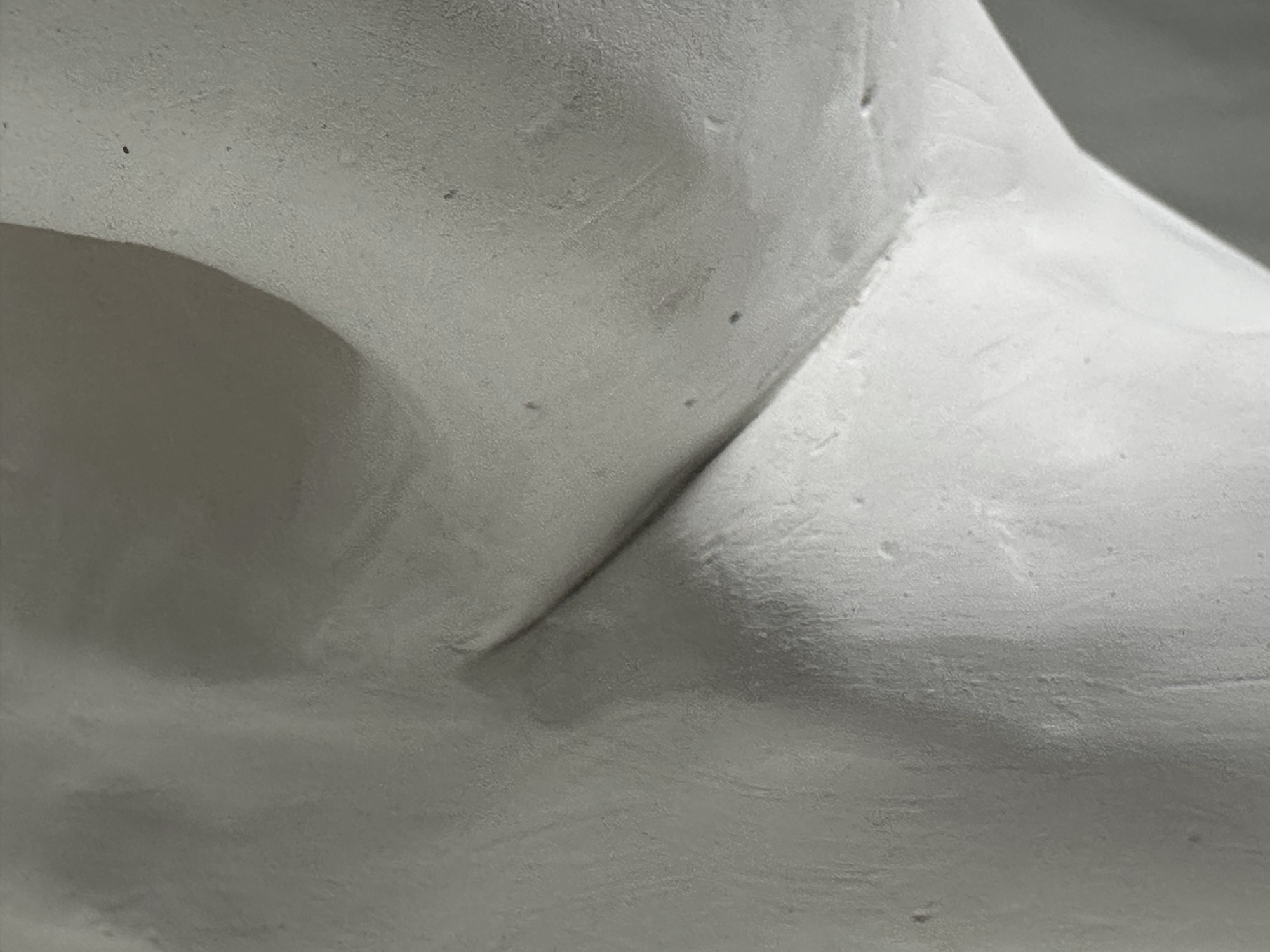
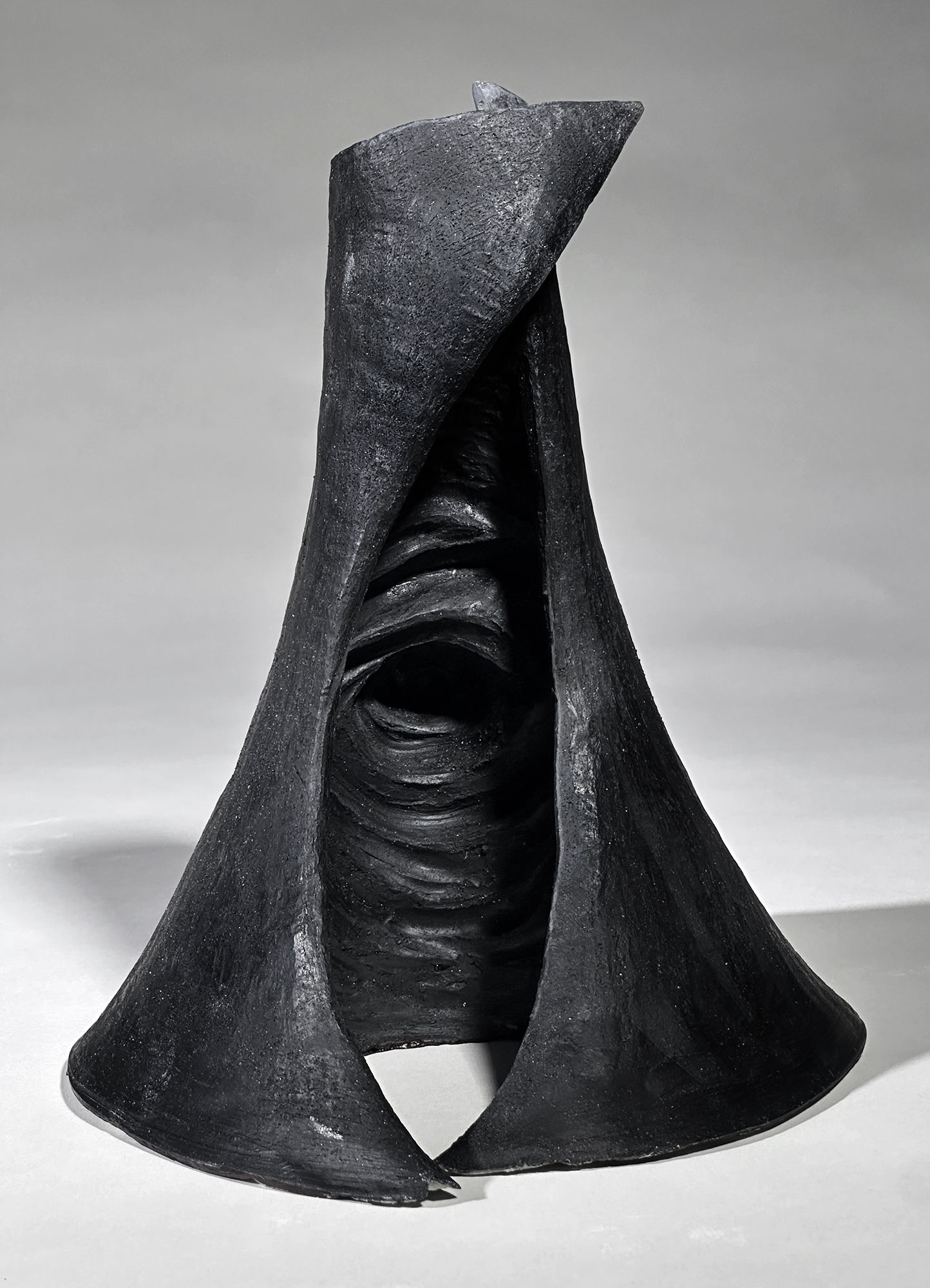
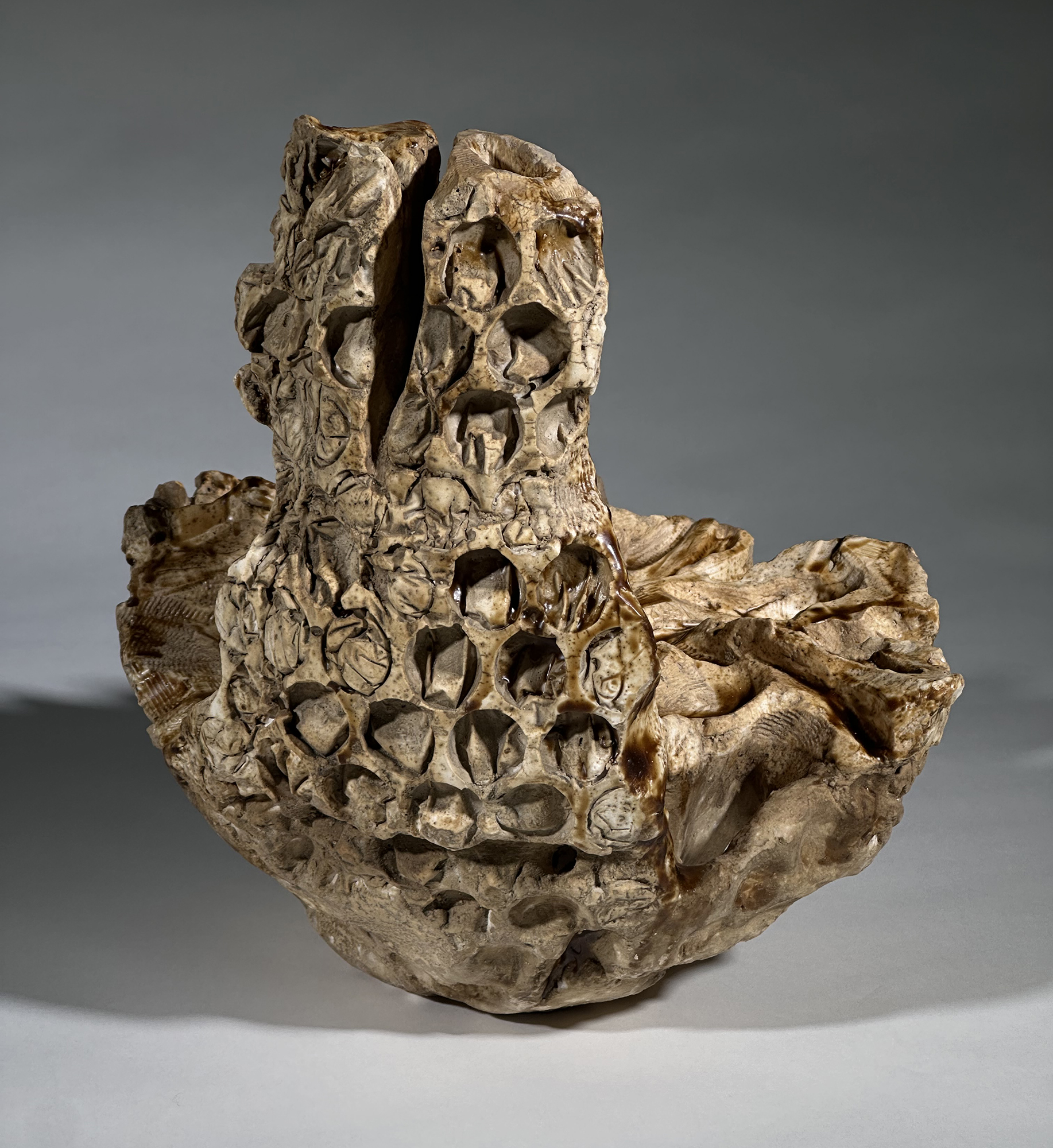
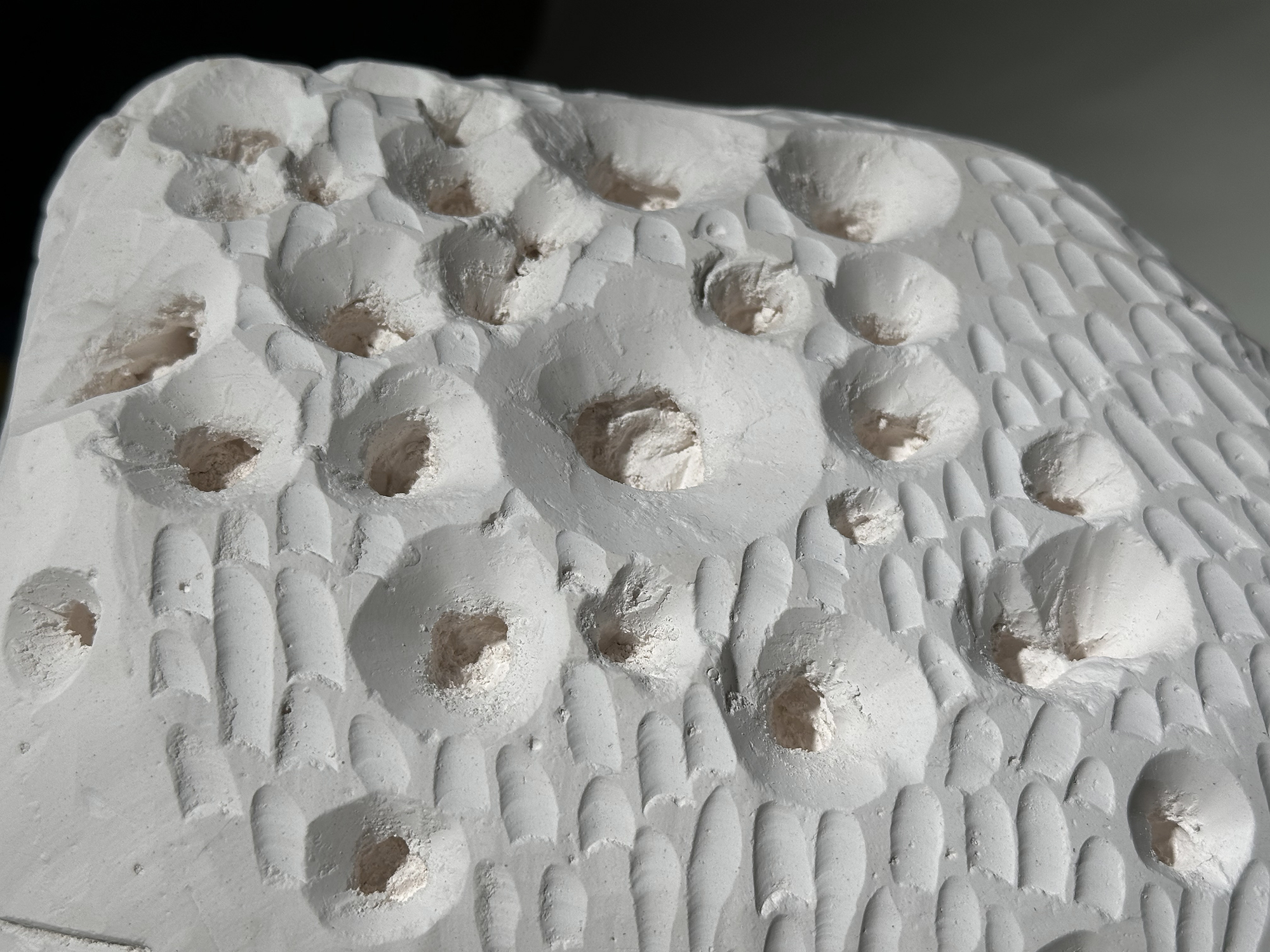
Max Brooks and Tony Avitia put a lot of unique textural details throughout their sculptures, so detailed images are also shown. Dennise Sosa created heavy detail, but it is fairly consistant throughout. Dennise enhanced her texture by melting microcrystalline wax into the plaster, imparting a warm tone and greater contrast. Aalyah Hernandez cast her piece in black polyurethane resin. Crystal Colt cast her pieces in TufStone, while the rest were made with casting plaster.
Fall 2025:
Aaliyah Hernandez


Crystal Colt


Dennise Sosa


Max Brooks




Rae Conners

Samantha Hammond

Spring 2025:
Tony Avitia